Masala Dosa

Masala dosa is a beloved Indian dish that’s both delicious and satisfying. This crispy, golden-brown crepe is made from a fermented rice and lentil batter, expertly filled with a spicy, comforting potato mixture. The texture is unparalleled, with a crunchy exterior giving way to a soft, flavorful interior. Every bite teases the taste buds with a perfect blend of spices and textures, making it not just a meal but a delightful experience.
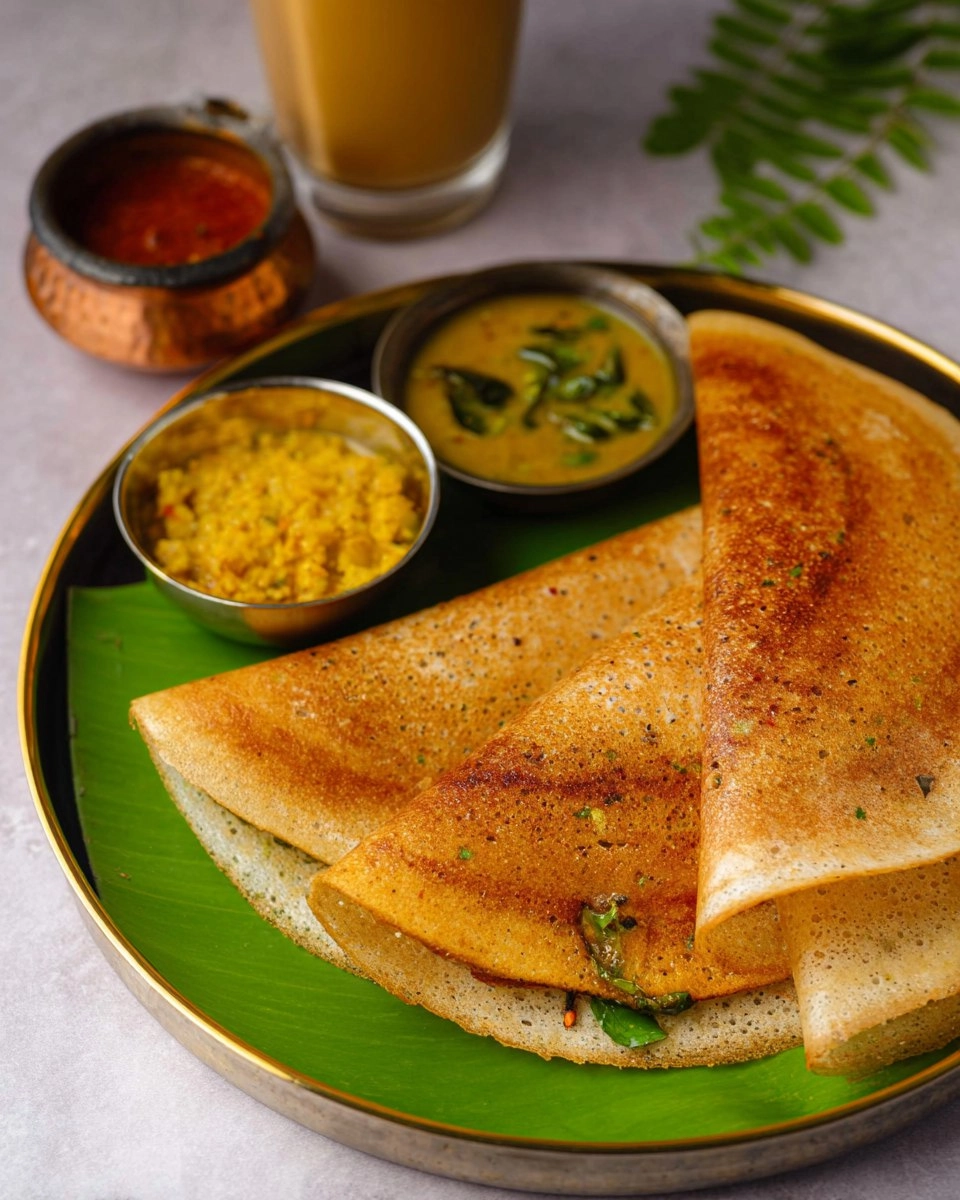
When I first had masala dosa, it was at a family gathering, and the aroma wafting through the air was nothing short of intoxicating. I remember watching as my aunt expertly flipped each dosa on a steaming hot griddle, and I couldn’t wait to dig in. This dish certainly puts store-bought versions to shame; nothing compares to the freshness of homemade dosa. The best part? It’s surprisingly easy to make, budget-friendly, and a fantastic crowd-pleaser. I can’t wait for you to try making this amazing dish at home!
Table of Contents
Why You’ll Love This Recipe
- Simple & Quick: Get ready to enjoy masala dosa in just about 14 hours with soaking and fermentation!
- Irresistible Flavor: The blend of spices creates a flavor explosion that dances on your palate with every bite.
- Eye-Catching Appeal: These golden dosas look stunning on any plate, making them perfect for special occasions.
- Flexible Serving: Enjoy this dish for breakfast, lunch, or dinner, or even as an impressive party appetizer.
- Diet-Friendly Options: Gluten-free and vegetarian, customizable based on dietary preferences!
Ingredients You’ll Need
- 1/2 cup urad dal (dehusked split or whole): Essential for the fermentation process and contributes to a fluffy texture.
- 1 1/2 cups dosa rice: Traditional dosa rice makes the base; you can substitute with sona masoori or idli rice.
- 1 tablespoon split chickpeas (chana dal): Adds texture and protein; can be swapped with moong dal if needed.
- 1 tablespoon toor dal (split pigeon peas): Enhances flavor and nutritional profile; use yellow lentils if unavailable.
- 1/2 teaspoon fenugreek seeds (methi dana): Aids fermentation and adds a unique flavor; can skip if not available.
- 1/4 cup poha (flattened rice): This softens the batter; soak before grinding for best results.
- 1 teaspoon non-iodized salt (rock salt): Crucial for fermentation; avoid iodized salt as it can hinder that process.
- 7 tablespoons ghee or oil: Used for cooking the dosas; ghee imparts a rich flavor, but vegetable oil can work as well.
- 4 potatoes: They’re the star filling; boil, peel, and mash them for that creamy texture!
- 1 tablespoon oil: Used for sautéing the potato filling.
- 1/2 teaspoon cumin seeds (jeera): Adds aromatic flavor to the potato filling; skip if you dislike them.
- 1/2 teaspoon mustard seeds (rai): Provides a lovely crunch and enhances flavor; you can omit if preferred.
- 2 teaspoons split chickpeas (chana dal): Soaked to soften and used in the potato filling.
- 12 curry leaves (kadi patta): Gives an authentic taste; can substitute with bay leaves if necessary.
- 2 green chili peppers, chopped: Adjust heat level to your comfort; feel free to reduce for milder flavor.
- 1 pinch asafoetida (hing): Adds a savory aroma; skip for gluten-free versions.
- 2 cups onion, thinly sliced: Sweetens the potato filling and adds depth; shallots can be an alternative.
- 1 teaspoon ginger, grated: Warms the filling with its aroma; ground ginger can work in a pinch.
- 1/2 teaspoon ground turmeric (haldi powder): Gives color and a mild earthy flavor; essential for authentic taste.
- 1 teaspoon salt (for masala): Adjust to taste; remember it helps balance flavors.
- Cilantro (for garnish): Freshness brightens the dish; optional but recommended.
How to Make Masala Dosa
- Soak the Ingredients: In a large bowl, combine urad dal, dosa rice, chana dal, toor dal, and fenugreek seeds. Rinse thoroughly until the water runs clear. Soak the mixture in about 6 cups of water for 4-5 hours. Meanwhile, soak the poha in water for about 20 minutes before you grind the batter.
- Grind the Batter: After soaking, drain the water and add the dal and rice mix along with the soaked poha to a high-speed blender. Add 3/4 to 1.5 cups of cold water, just enough to blend everything into a smooth paste, and transfer the batter into a large steel bowl. The bowl should be large enough for the batter to rise during fermentation.
- Add Salt & Mix: Sprinkle in the non-iodized salt and mix well using your clean hands for a couple of minutes. The salt helps kickstart fermentation. Ensure the batter is free-flowing—not too thick or runny.
- Ferment the Batter: Cover the bowl with a lid and place it in a warm area. If it’s chilly outside, the oven with the lights on makes a great incubator. Fermentation can take anywhere from 6 to 14 hours depending on the climate. You’ll know it’s ready when it’s frothy and has increased in volume.
- Test the Fermentation: Drop a spoonful of batter into a bowl of water; if it floats, it’s perfectly fermented. Stir the batter, checking for the right consistency. You can store any extra batter in the refrigerator for about 5 days.
- Prepare Potato Masala: Soak the chana dal in hot water for 20-30 minutes to soften. Then boil or steam the potatoes until tender (about 4-5 whistles in a stovetop pressure cooker or 12-18 minutes in an Instant Pot). Once cooked, allow them to cool, then peel and crumble.
- Cook the Filling: In a large pan over medium heat, add oil. Once hot, toss in cumin seeds, mustard seeds, and chana dal, sautéing until golden. Next, add asafoetida, ginger, and curry leaves, cooking until aromatic. Add green chilies and sliced onions, cooking for about 2-3 minutes until onions soften.
- Combine Potatoes and Spices: Stir in the boiled potatoes and sprinkle in turmeric and salt. Mix well, adding a few tablespoons of water if needed to combine thoroughly and prevent sticking. Cook briefly for another 2-3 minutes and finish with a sprinkle of cilantro.
- Cook the Dosa: Before frying your dosa, make sure to stir the batter well; it should be pourable. Heat a cast-iron griddle (tawa) over medium-high heat. Test if it’s hot enough by sprinkling water—if it sizzles, it’s ready. Lightly oil the surface, using a paper towel or halved onion for an even layer.
- Spread and Fry the Dosa: Pour a ladleful of batter in the center and quickly spread it outwards in a circular motion to make a thin crepe. Drizzle some ghee or oil around the edges and let it cook until the dosa is golden brown and crispy—about 2-4 minutes.
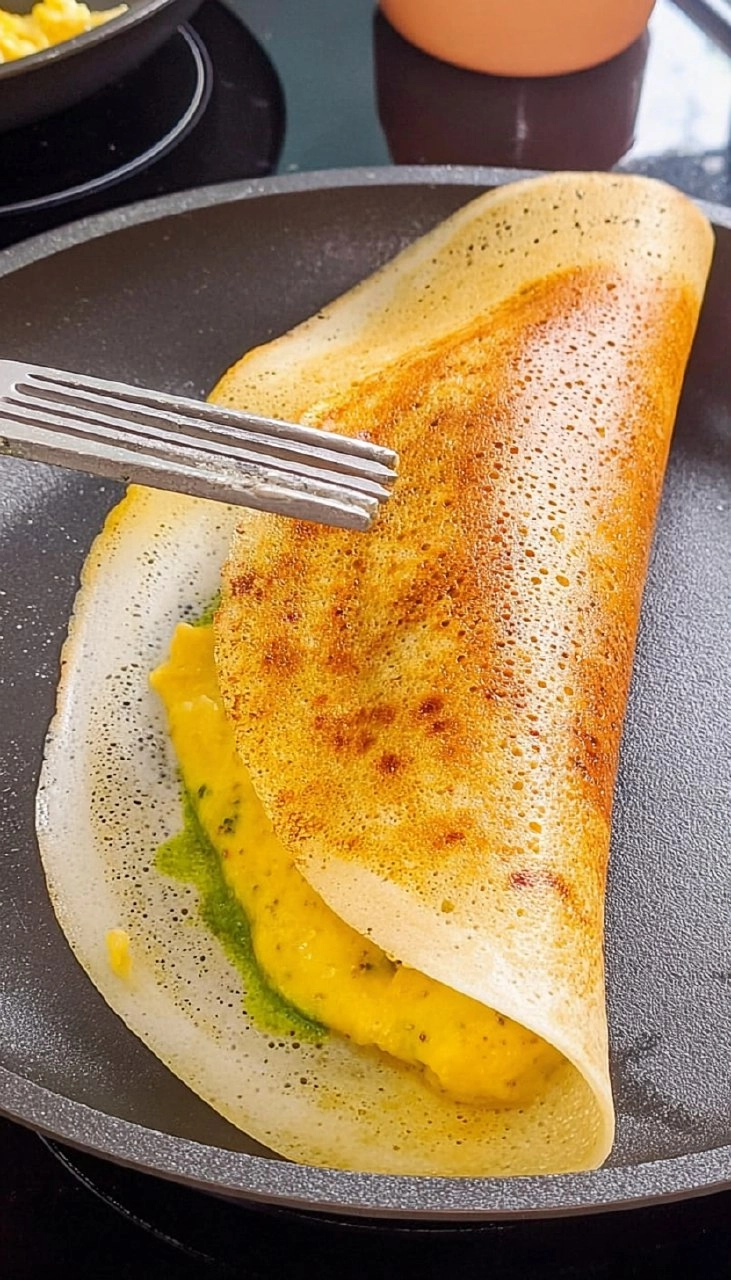
- Add the Filling: Once golden, add a portion of the potato masala either to the center for a roll or on one half to fold. Slide the spatula underneath gently, rolling or folding as you remove the dosa from the skillet.
- Repeat: Clean the skillet with a paper towel, re-oil it, and heat again before making the next dosa, ensuring perfect crispiness.
- Serve: Present your masala dosa hot with sambar, coconut chutney, and peanut chutney for a delicious combination!
Storing & Reheating
Leftover masala dosa can be stored at room temperature for up to 2 hours. For longer storage, keep them in an airtight container in the refrigerator for 3-5 days. You can also freeze them for up to 3 months, wrapping each dosa individually in plastic wrap. When ready to enjoy, simply reheat on a hot skillet until heated through—this refreshes their crispy texture.
Chef’s Helpful Tips
- Avoid Over-Mixing: When mixing the batter with salt, don’t overdo it—too much agitation can prevent proper fermentation.
- Temperature Control: Ensure ingredients are at room temperature when making the batter; cold components can slow fermentation.
- Thinitis Troubles: If your batter thickens during fermentation, add water gradually to reach a pouring consistency before cooking.
- Flavor Finesse: Adjust spices depending on your heat preference; add more or fewer green chilies for a gentler or bolder flavor.
- Make-Ahead Options: Prepare the batter the night before and allow it to ferment overnight for a quick breakfast option the next day.
Every bite of this crunchy, savory delight transports me back to that first exquisite experience, filling my kitchen with warmth and zest. Enjoying homemade masala dosa is not only a treat for the taste buds but also a celebration of culture, family, and tradition. So gather your ingredients, roll up your sleeves, and let the adventure of making masala dosa unfold in your kitchen!
Recipe FAQs
What can I serve with masala dosa?
How do I make the batter if I don’t have an electric blender?
Can I store the batter for later use?
Why did my dosa break while cooking?
More Breakfast Recipes
- Sweet Cream Pancakes Just Like a Diner
- Mango Overnight Oats
- Banana Chocolate Chip Muffins
- Granola
- Simply Applesauce Muffins
👉 If you make my Masala Dosa recipe, please leave a comment and a star rating — it really helps others discover the recipe.
Follow me on
Pinterest
for more easy recipes.
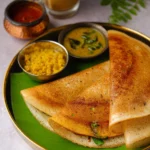
Masala Dosa
- Prep Time: 30 minutes
- Cook Time: 900 minutes
- Total Time: 15 hours 30 minutes
- Yield: 14 dosas 1x
- Category: Breakfast
- Method: Grilling
- Cuisine: Indian
Description
Masala Dosa stands out with its crispy texture and flavorful potato filling. It’s an easy-to-make dish perfect for a wholesome breakfast or quick dinner. Enjoy the blend of spices and ingredients that make this classic Indian recipe a family favorite.
Ingredients
- 1/2 cup urad dal , dehusked split or whole urad dal gota
- 1 1/2 cup dosa rice , or combination of dosa rice + sona masoori rice, idli rice works too (see notes)
- 1 tablespoon split chickpeas (chana dal)
- 1 tablespoon toor dal (split pigeon peas)
- 1/2 teaspoon fenugreek seeds (methi dana)
- 1/4 cup poha (flattened rice), soak for 20 minutes before grinding
- 1 teaspoon non-iodized salt , rock salt (sendha namak)
- 7 tablespoon ghee or oil, to cook dosa (half tablespoon for each dosa)
- 4 potatoes, boiled, peeled, cut into 3/4 inch pieces and slightly mashed
- 1 tablespoon oil
- 1/2 teaspoon cumin seeds (jeera)
- 1/2 teaspoon mustard seeds (rai)
- 2 teaspoon split chickpeas (chana dal), soaked in hot water for 20 minutes
- 12 Curry Leaves (Kadi Patta)
- 2 green chili pepper, chopped, adjust to taste
- 1 pinch asafoetida (hing), skip for gluten-free
- 2 cup onion, thinly sliced
- 1 teaspoon ginger, grated
- 1/2 teaspoon ground turmeric (haldi powder)
- 1 teaspoon salt
- cilantro , for garnish
Instructions
- Combine urad dal, dosa rice, chana dal, toor dal, and fenugreek seeds in a large bowl.
- Rinse the mixture until the water runs clear, then soak in about 6 cups of water for 4-5 hours.
- Soak poha in water for 20 minutes before grinding the batter.
Notes
Feel free to adjust the spices according to your taste preferences.
Serve with coconut chutney or sambar for a complete meal.
Ensure to mash the potatoes well for even distribution in the filling.
Nutrition
- Serving Size: 1 dosa
- Calories: 200
- Sugar: 1g
- Sodium: 150mg
- Fat: 9g
- Saturated Fat: 4g
- Unsaturated Fat: 5g
- Trans Fat: 0g
- Carbohydrates: 28g
- Fiber: 4g
- Protein: 6g
- Cholesterol: 15mg