Sunflower Seed Butter

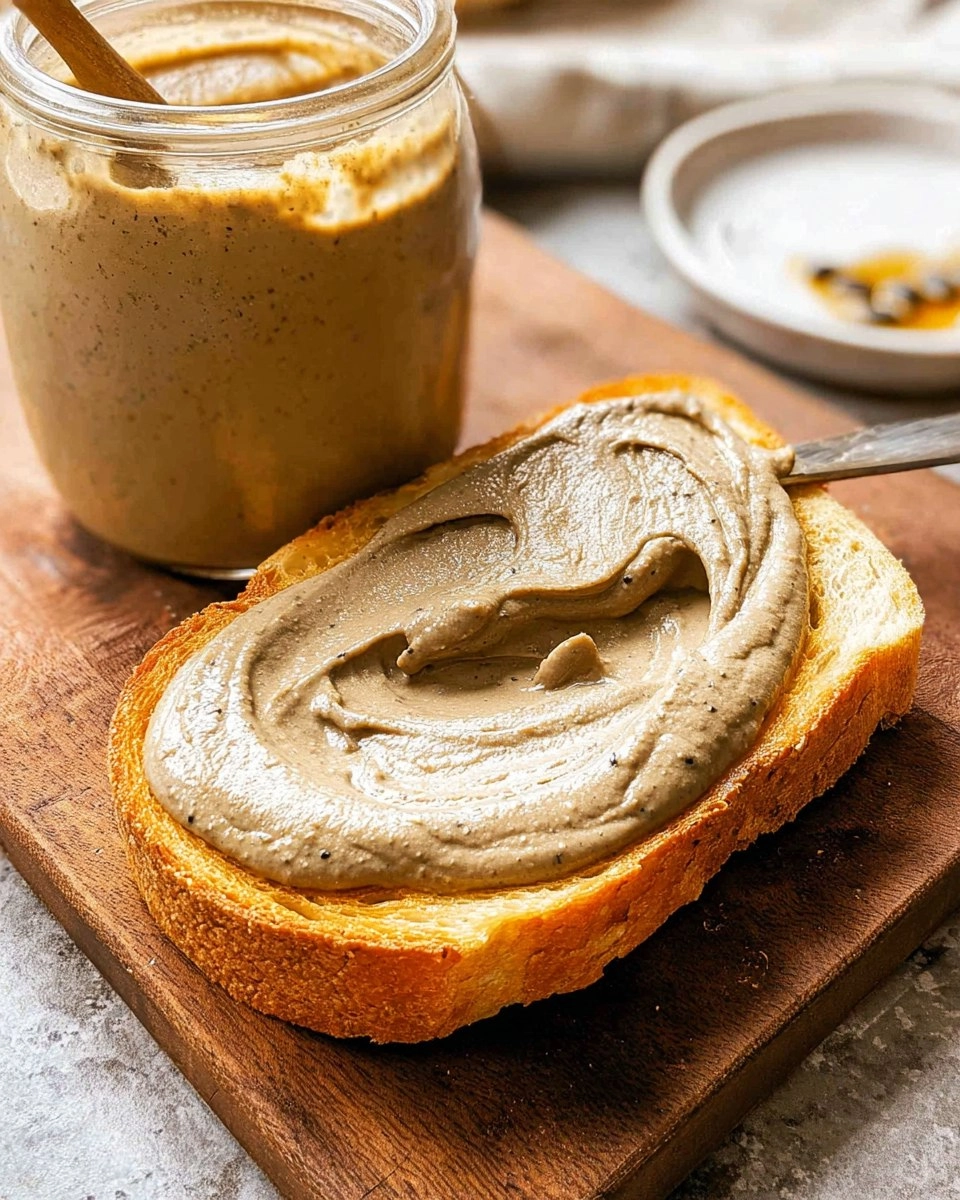
A warm, nutty aroma fills the kitchen as you blend roasted sunflower seeds into creamy goodness. It’s like a memory from childhood, where sharing a snack with friends was the highlight of the day. Store-bought options simply can’t replicate the personal touch of homemade sunflower seed butter, bursting with flavor and rich in nutrients. This delightful spread is not just a treat; it’s a wholesome addition to any meal or snack!
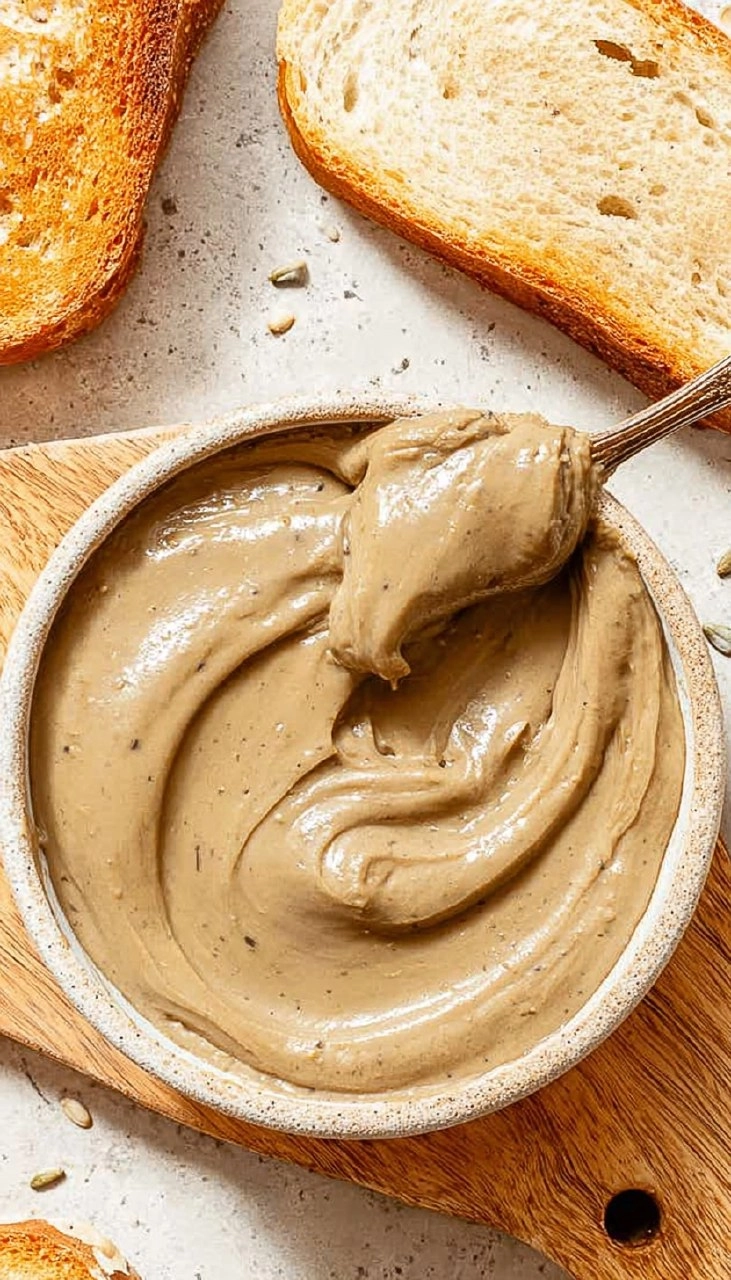
Making your own sunflower seed butter is a breeze. With just two ingredients that grace most pantries, this recipe is both budget-friendly and beginner-friendly. In just 30 minutes, you’ll have a jar of creamy goodness ready to spread on toast, drizzled over pancakes, or enjoyed straight from the jar. Give it a try; you might discover your new favorite spread!
Table of Contents
Why You’ll Love This Recipe
- Simple & Quick: Blend up a batch in about 30 minutes.
- Irresistible Flavor: Creamy, nutty, and satisfying with a sprinkle of salt to enhance the taste.
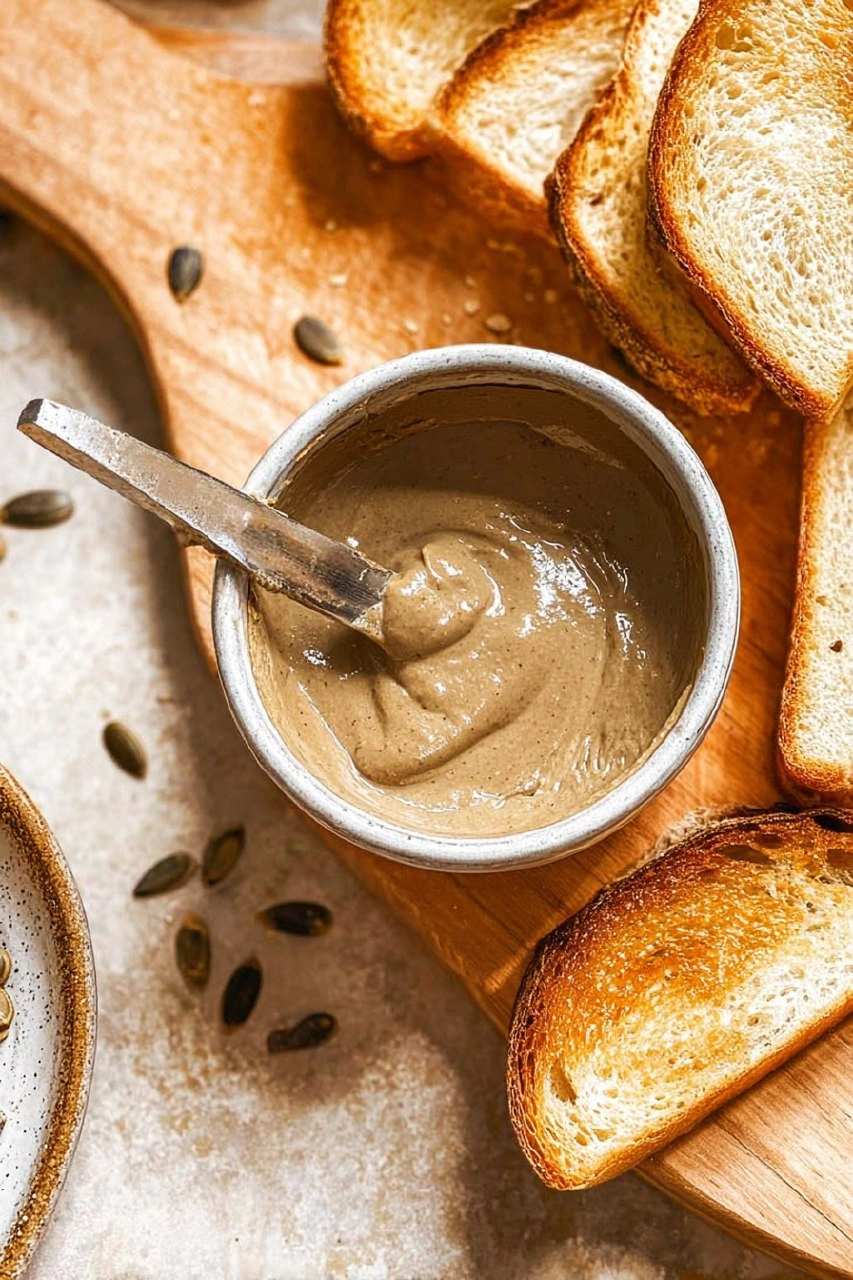
- Eye-Catching Appeal: Beautifully smooth and inviting, great for spreading or dipping.
- Flexible Serving: Perfect for breakfast, snacks, or even in desserts.
- Diet-Friendly Options: Naturally gluten-free, dairy-free, and vegan.
Ingredients You’ll Need
- 2 ½ cups roasted sunflower seeds: Opt for unsalted and roasted seeds for the best flavor. You can use raw seeds, but roasting enhances their nuttiness.
- Pinch of salt: Use fine sea salt for even seasoning. Adjust to taste—adding a bit more can really elevate the flavors.
How to Make Sunflower Seed Butter
- Prepare the Food Processor: Place 2 ½ cups of roasted sunflower seeds and a pinch of salt into your food processor. Ensure it’s clean to avoid unwanted flavors.
- Blend Until Smooth: Pulse the mixture, gradually increasing the speed. Stop occasionally to scrape down the sides and ensure everything gets blended evenly. Be patient; this process can take about 6 minutes. The seeds will release oils, transforming into a creamy butter.
- Cooling Down: Once you’ve reached your desired consistency, transfer the butter to an airtight container. It might be warm from blending, so allow it to cool completely before sealing. This keeps it fresh and extends shelf life.
Storing & Reheating
To keep your sunflower seed butter fresh, store it in an airtight container at room temperature for up to a week. If you prefer longer storage, refrigerate it, where it can last for up to a month. You can even freeze portions in small jars or bags for up to three months. When you’re ready to enjoy it, simply thaw it in the fridge, and if the texture seems a bit off, a quick stir can refresh it.
Chef’s Helpful Tips
- Avoid Overblending: If you’re impatient, you might be tempted to rush the blending. Take your time; over-blending can lead to a gritty texture.
- Adjusting Salt: One pinch may be just right for some, but others might prefer a touch more. Tasting is key!
- Storage Tips: For longer shelf-life, ensure your container is moisture-free before sealing.
- Flavor Boosting: Add a splash of vanilla or a touch of honey for a little sweetness if you like.
Enjoy experimenting with flavors and pairings; sunflower seed butter is versatile!
Sunflower seed butter is not just a tasty alternative to peanut butter; it’s a culinary canvas that invites creativity. The nutty, rich texture can be adapted in countless ways, transforming various meals and snacks. Whether you spread it on toast, swirl it into oatmeal, or even use it in baking, this creamy delight is bound to impress.
Recipe FAQs
Is sunflower seed butter safe for nut allergies?
How do I make sunflower seed butter creamy?
Can I sweeten my sunflower seed butter?
What can I use sunflower seed butter in?
More Breakfast Recipes
👉 If you make my Sunflower Seed Butter recipe, please leave a comment and a star rating — it really helps others discover the recipe.
Follow me on
Pinterest
for more easy recipes.
Sunflower Seed Butter
- Prep Time: 10 minutes
- Cook Time: 30 minutes
- Total Time: 40 minutes
- Yield: 1 serving 1x
- Category: Spread
- Method: Blending
- Cuisine: American
Description
Enjoy homemade sunflower seed butter, a deliciously creamy spread made with just roasted sunflower seeds and a touch of salt. Perfect for a quick snack or a healthy addition to meals, this simple recipe highlights the natural flavor of sunflower seeds, making it a must-try for anyone seeking easy homemade options.
Ingredients
- 2 ½ cups roasted sunflower seeds
- Pinch of salt plus more to taste
Instructions
- Combine the roasted sunflower seeds and salt in a food processor.
- Blend until smooth, adjusting to your preferred consistency. Remember to stop and scrape down the sides as needed, which may take around 6 minutes.
- As the mixture blends, it will warm up. Transfer the butter to an airtight container and cool completely before sealing.
Notes
For a varied flavor, consider adding honey or maple syrup.
Store in the refrigerator for up to two weeks.
Use in smoothies, baking, or as a spread on toast.
Nutrition
- Serving Size: 2 tablespoons
- Calories: 200
- Sugar: 0g
- Sodium: 50mg
- Fat: 18g
- Saturated Fat: 1.5g
- Unsaturated Fat: 16g
- Trans Fat: 0g
- Carbohydrates: 7g
- Fiber: 3g
- Protein: 7g
- Cholesterol: 0mg