Traditional Cornish Pasty

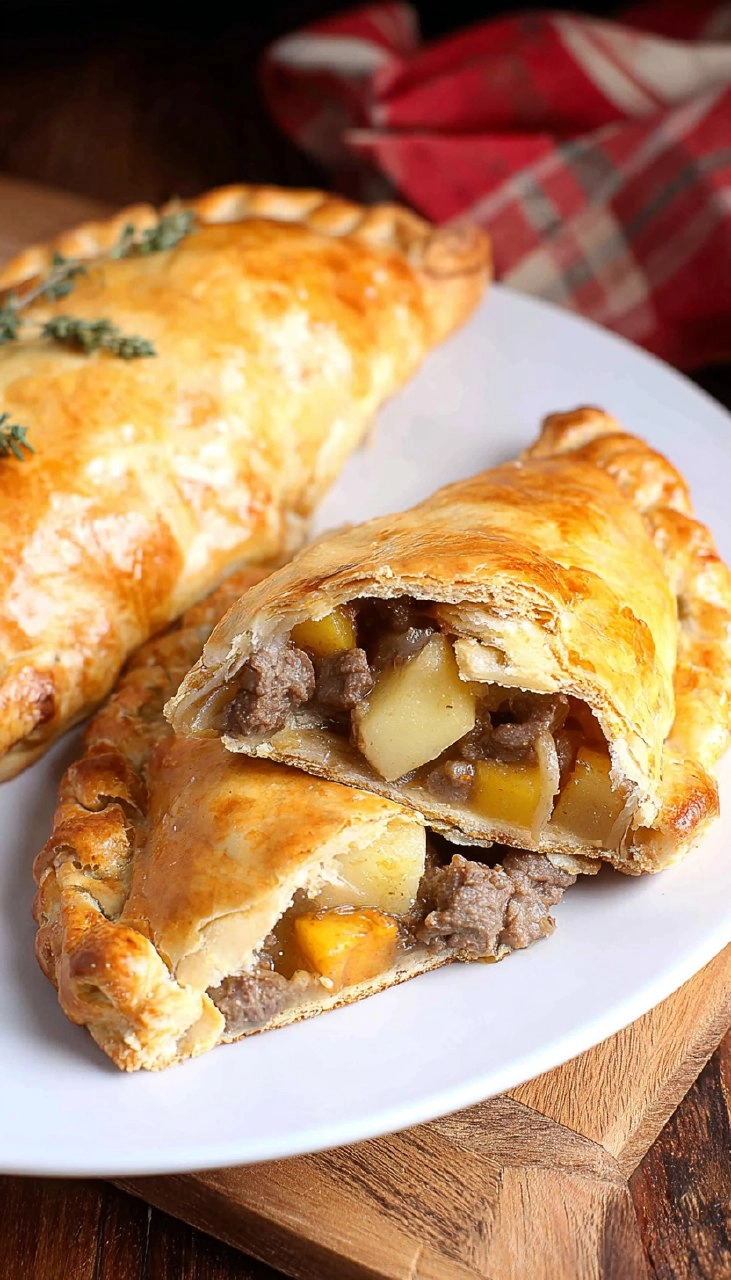
There’s something incredibly comforting about a freshly baked traditional Cornish pasty. With its flaky, golden crust embracing a savory mixture of tender beef, earthy potatoes, and sweet swede (or turnip), this iconic English dish has been warming hearts and filling stomachs for generations. Traditionally enjoyed by miners in Cornwall, these pasties were designed to be a portable meal, packed with wholesome ingredients that made them perfect for long hours of toil. Today, they continue to wow both locals and visitors alike, proving to be a crowd-pleaser at gatherings or simply for a cozy night in.
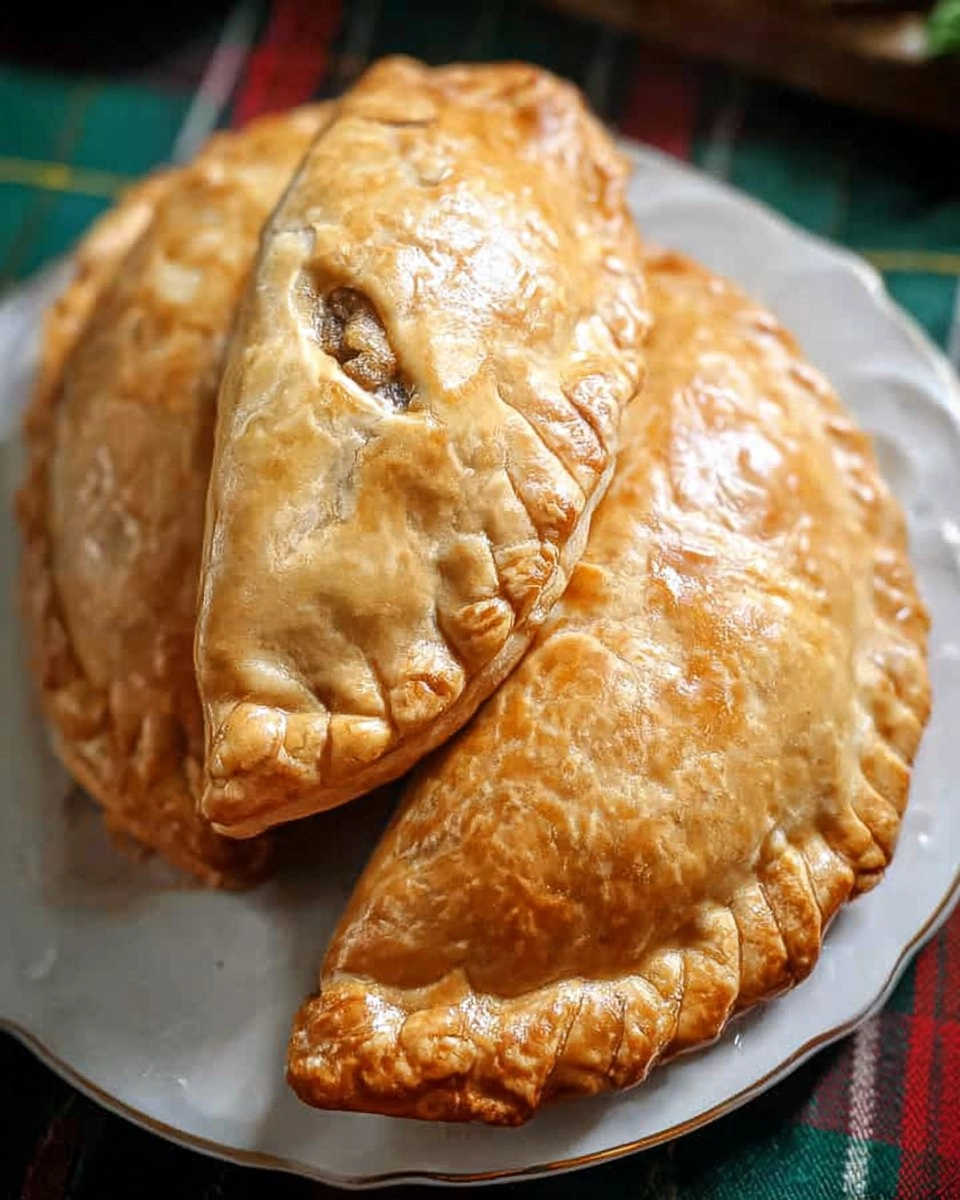
When you take your first bite of a traditional Cornish pasty, you’re greeted with a delightful crunch followed by the savory goodness of the filling. Each mouthful brings the comforting flavor of well-seasoned ingredients melded together, creating a hearty treat that’s simply hard to resist. Beyond their fantastic taste, these pasties are remarkably easy to whip up at home, making them an ideal choice for both novice cooks and seasoned chefs seeking a nostalgic dish. So, let’s roll up our sleeves and dive into making these delicious hand-held gems!
Table of Contents
Why You’ll Love This Recipe
- Simple & Quick: With just 50 minutes of prep and a little patience, you’ll have homemade pasties ready.
- Irresistible Flavor: Each bite features a flaky crust and a savory filling bursting with rich flavors.
- Eye-Catching Appeal: Their golden outer shell and hearty filling make them as pleasing to the eyes as to the palate.
- Flexible Serving: Perfect for lunch, dinner, or snacks, these pasties fit any occasion beautifully.
- Diet-Friendly Options: You can easily adapt them for dietary needs by tweaking the filling or using alternative fats.
Ingredients You’ll Need
- 500 g plain flour (about 4 cups): This is your base for the pastry. Using a good quality flour ensures a buttery, crunchy texture.
- 60 g lard (about 2 oz): Lard enriches the dough, providing that classic flaky pastry texture. If you prefer, you can substitute with unsalted butter.
- 60 g vegetable shortening (about 2 oz): This helps keep the pastry tender. For a fully buttery flavor, you can increase the butter amount instead.
- 30 g butter (about 1 oz): Adds richness to the pastry and enhances the overall flavor.
- 175 ml cold water (about 6 fl oz): Cold water helps bind the dough without melting the fats, leading to a flaky crust.
- 1 egg: For brushing on the pasties, giving them a beautiful golden sheen.
- 200 g beef skirt steak (about 7 oz): Chopped into small pieces, this cut is flavorful and tender. You could substitute with other cuts of beef or even chicken.
- 200 g potatoes (about 7 oz): Yukon Gold or similar waxy potatoes work best for a creamy texture. Avoid starchy potatoes as they may break down too much.
- 100 g swede (about 3 oz): Known as rutabaga in some places; this adds a sweet flavor. You can substitute with additional potatoes if unavailable.
- 1 onion: Finely chopped, it adds sweetness and depth to the filling.
- 7 small cubes of butter: Nestling these into the filling before sealing adds moisture and flavor.
- 1 teaspoon salt: Essential for seasoning; adjust according to your taste.
- ½ teaspoon ground black pepper: Freshly ground provides a warm kick.
How to Make Traditional Cornish Pasty
Make the Dough: In a large bowl, sift the 500 g of plain flour. Add the 60 g lard, 60 g vegetable shortening, and 30 g butter cut into cubes. Use your fingertips to rub the fats into the flour until it resembles breadcrumbs, ensuring not to overwork it.
Form the Dough: Gradually add the 175 ml cold water, mixing gently until the dough comes together. Once formed, cover with cling film and refrigerate for at least 30 minutes. This resting time will help relax the gluten for a tender crust.
Prepare the Filling: While the dough chills, chop the 200 g beef skirt steak, 200 g potatoes, 100 g swede, and 1 onion into small cubes. Combine these in a bowl and season with 1 teaspoon salt and ½ teaspoon ground black pepper.
Divide the Dough: After chilling, divide the dough into 7 small balls. Using a rolling pin, roll each ball into a large disc, about 20 cm (8 inches) in diameter.
Preheat the Oven: Preheat your oven to 160 degrees Celsius (320 degrees Fahrenheit) while you finish assembling your pasties.
Fill the Pasties: Spoon a portion of the filling onto one half of each dough disc. Place a small cube (about 1 g) of butter on top of the filling for added richness.
Seal the Edges: Brush the edges of the pastry with a little water. Fold the dough over to encase the filling and pinch the edges tightly to seal. Crimp the edges between your thumb and forefinger for a decorative touch.
Finish Baking: Brush the tops of the pasties with beaten egg for that shiny golden finish. Place them on a large baking tray lined with non-stick paper. Bake for about one hour, or until the pastry is golden and the filling is cooked through, making sure to rotate the tray halfway through to ensure even baking.
Storing & Reheating
To store leftover traditional Cornish pasties, allow them to cool completely before placing them in an airtight container at room temperature for up to 24 hours. For longer storage, refrigerate them for up to 3 days. If you want to save them for later, you can freeze them for up to 3 months. Just wrap them tightly in plastic wrap and then place them in a freezer-safe container. When you’re ready to enjoy, reheat in the oven for about 15-20 minutes at 350 degrees Fahrenheit, until heated through. Do remember that the pastry may not be as crisp after freezing, but a quick bake will refresh it.
Chef’s Helpful Tips
- Ensure your fats (lard, shortening, and butter) are cold when mixing with the flour. This keeps the dough flaky.
- Avoid over-kneading the dough; gentle mixing is key for perfect pastry texture.
- For a golden crust, use egg wash, but you can also use milk for a softer sheen.
- If you want to add even more flavor, consider mixing in herbs like thyme or rosemary into the filling.
- To make ahead, you can prepare the filling a day in advance and keep it in the fridge until you’re ready to assemble the pasties.
There’s no denying the charm and comfort of traditional Cornish pasties. With their delectable filling encased in perfectly flaky pastry, they are an inviting dish that feels like a warm hug. Feel free to play with different fillings and make them your own! Each bite is an invitation to savor not just a meal, but a connection to a rich culinary tradition.
Recipe FAQs
Can I make the pasties ahead of time?
What can I substitute for swede in the filling?
How do I know when the pasties are cooked?
What is the best way to reheat leftover pasties?
More Dinner Recipes
- Crockpot Marry Me Chicken
- Salt and Pepper Shrimp
- Deviled Egg Potato Salad
- Reuben Sliders
- Slow Cooker Tikka Masala
👉 If you make my Traditional Cornish Pasty recipe, please leave a comment and a star rating — it really helps others discover the recipe.
Follow me on
Pinterest
for more easy recipes.

Traditional Cornish Pasty
- Prep Time: 50 minutes
- Cook Time: 140 minutes
- Total Time: 3 hours 10 minutes
- Yield: 7 servings 1x
- Category: Dinner
- Method: Baking
- Cuisine: British
Description
This Traditional Cornish Pasty is not only delicious but also easy to prepare. With savory beef, potatoes, and swede, it’s a comforting meal perfect for any occasion.
Ingredients
- 500 g plain flour (4 cups)
- 60 g lard (2 oz)
- 60 g vegetable shortening (2 oz)
- 30 g butter (1 oz)
- 175 ml cold water (6 fl oz)
- 1 egg for brushing the pasties
- 200 g beef skirt steak (7 oz)
- 200 g potatoes (7 oz)
- 100 g swede (3 oz, also known as turnip, neep or rutabaga)
- 1 onion
- 7 small cubes of butter
- 1 teaspoon salt
- ½ teaspoon ground black pepper
Instructions
- Sift the flour into a large bowl to make the shortcrust pastry.
- Add the cut cubes of butter, vegetable shortening, and lard to the flour, then rub together until the mixture resembles breadcrumbs.
- Stir in the cold water and knead into a dough.
- Wrap the dough in clingfilm and refrigerate for at least 30 minutes.
- Divide the dough into 7 equal portions and roll each into a large disc (20 cm / 8 inches in diameter).
- Preheat the oven to 160 degrees Celsius (320 degrees Fahrenheit).
- Cut the beef skirt steak and vegetables into small cubes, mix, and season with salt and pepper.
- Spoon the filling onto each dough disc, add a small cube of butter on top of the filling, brush the edges with water, and fold over.
- Pinch the edges of the pasties to crimp them securely.
- Brush each pasty with beaten egg and place them on a lined baking tray.
- Bake for about one hour or until the pastry turns golden and the filling is cooked.
Notes
Ensure the filling is well-seasoned for the best flavor.
Use a sharp knife to cut the beef and vegetables for even cooking.
Let the pasties cool slightly before serving to enhance their flavors.
Nutrition
- Serving Size: 1 pasty
- Calories: 420
- Sugar: 1g
- Sodium: 550mg
- Fat: 24g
- Saturated Fat: 11g
- Unsaturated Fat: 10g
- Trans Fat: 0g
- Carbohydrates: 37g
- Fiber: 3g
- Protein: 14g
- Cholesterol: 80mg