Ukrainian Easter Bread Paska

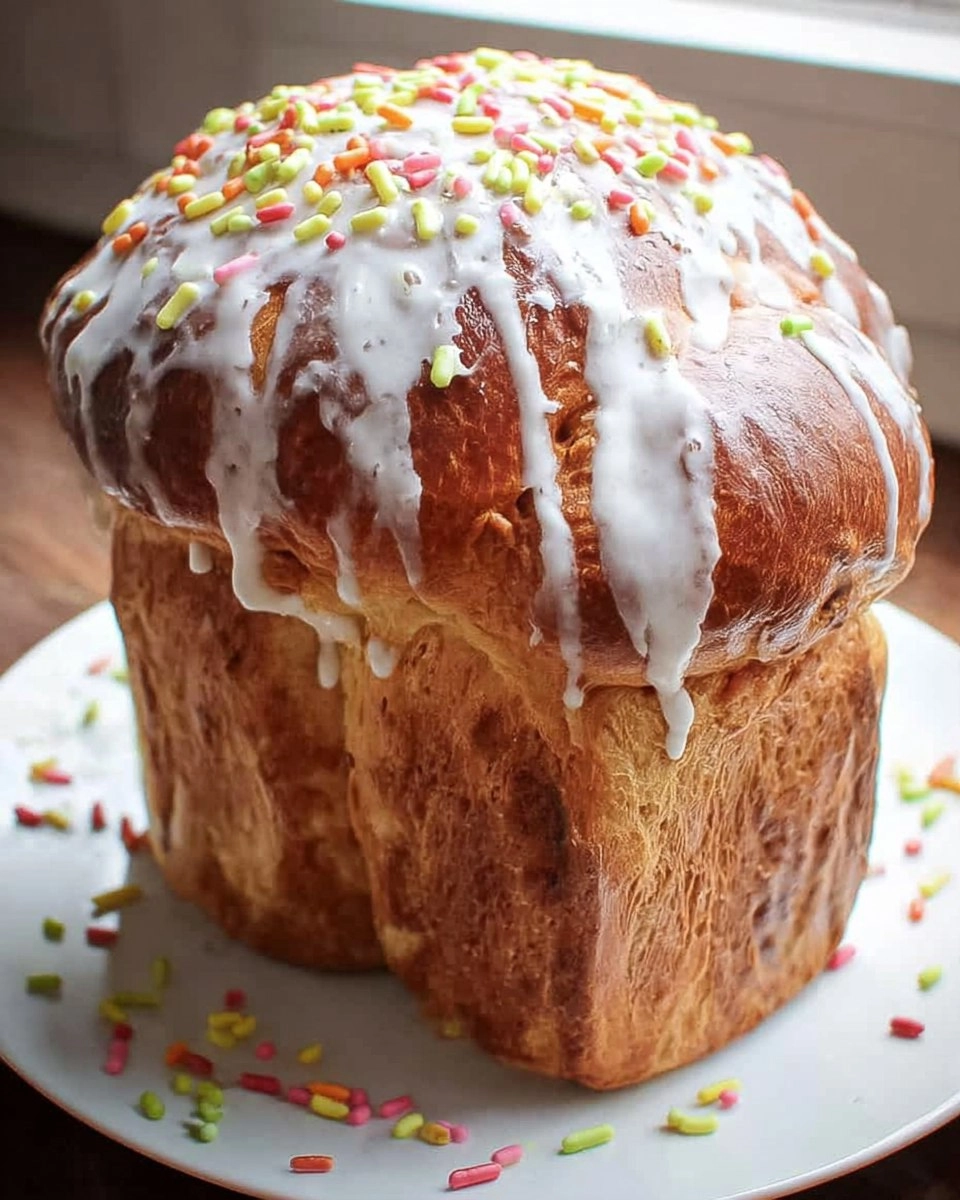
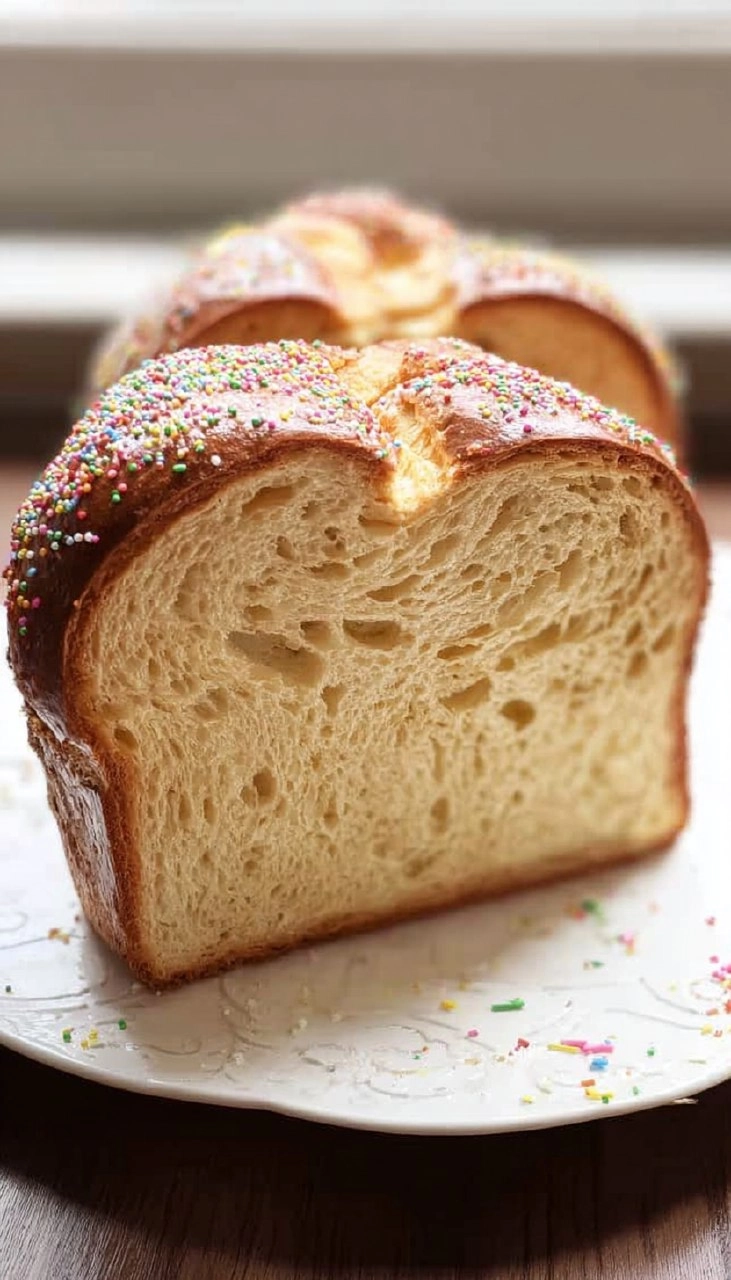
There’s something truly enchanting about the aroma of freshly baked bread filling a cozy kitchen, especially when it comes to Ukrainian Easter Bread Paska. This traditional bread, golden and airy, evokes memories of gathering around the table with loved ones, its rich texture and subtle sweetness casting a delightful spell on anyone fortunate enough to share in its warmth. The moment you slice through its soft crust, you’ll find an inviting crumb that begs for butter or fruit preserves, taking everyday moments to festive heights.
Not only is making this bread a nourishing experience, but it also weaves beautifully into your holiday celebrations, perfectly embodying the spirit of Easter. With simple ingredients that most likely reside in your pantry, whipping up a batch of Paska is a breeze. Perfect for brunches, festive gatherings, or simply as an afternoon snack, this recipe welcomes bakers of all skill levels. It’s time to roll up your sleeves and get your kitchen ready to create something unforgettable.
Table of Contents
Why You’ll Love This Recipe
- Simple & Quick: Easy to follow, it takes just about 50 minutes of prep time.
- Irresistible Flavor: The tender crumb and hint of vanilla and lemon will have you coming back for seconds.
- Eye-Catching Appeal: Paska bakes into beautiful, domed loaves that are visually stunning on any table.
- Flexible Serving: Enjoy it fresh for brunch, as a sweet snack, or toasted with jam.
- Diet-Friendly Options: Customize the flavors or try gluten-free alternatives by swapping in gluten-free flour.
Ingredients You’ll Need
- 1 cup warm milk (240 ml): Activates the yeast. Ensure it’s not too hot; around 105-115°F is ideal.
- 1 packet dry yeast (7-8 grams): Essential for leavening. Always check the expiration date for freshness.
- 2 tablespoons sugar (for yeast): Feeds the yeast during activation, helping it rise.
- 5 egg yolks: Adds richness and color; use room temperature for best results.
- ¾ cup sugar (150 grams): Sweetens the dough; feel free to adjust to your taste.
- 1 tablespoon lemon zest (optional): Adds brightness; substitute with orange zest for a different twist.
- 1 teaspoon vanilla extract: Enhances the flavor; use pure vanilla for the best taste.
- ¼ teaspoon salt: Balances the sweetness; don’t skip it!
- 100 grams butter (melted and slightly cooled): Provides moisture and flavor; ensure it has cooled enough not to cook the egg yolks.
- 4 cups all-purpose flour (450-500 grams): Forms the dough’s structure; be careful not to add too much.
- 1 egg (for egg wash): Gives a golden finish; whisk lightly before applying.
- Neutral oil (1-2 tablespoons as needed): Helps prevent sticking during kneading.
- 1 cup powdered sugar: For a sweet glaze.
- 3-4 tablespoons lemon juice: Creates the glaze’s tangy flavor; adjust to desired consistency.
How to Make Ukrainian Easter Bread Paska
Activate the yeast: Start by warming the milk to about 105-115°F. In a large mixing bowl, stir in the 2 tablespoons sugar and the packet of yeast. Let this mixture sit for about 10 minutes until it becomes foamy; it’s a sign that your yeast is alive and ready to work. If it doesn’t foam, your yeast may be old, so best to start fresh.
Mix eggs and sugar: While the yeast is working its magic, grab a medium bowl and whisk together the 5 egg yolks, ¾ cup sugar, 1 teaspoon vanilla extract, and ¼ teaspoon salt until it’s creamy and slightly lighter in color. If you’re feeling adventurous, fold in the lemon zest as well for an added kick.
Combine ingredients: Once your yeast is activated, incorporate the egg mixture and 100 grams of melted butter into the bowl with the yeast. Use a whisk to blend these until they are combined, though it’s not essential for it to be perfectly smooth.
Add flour: Gradually fold in the flour with a spatula or wooden spoon. Allow it to come together until mixing with a spatula becomes difficult. At this point, get your hands in and start kneading. Be careful not to add all the flour at once; you might need a bit less or more than 4 cups. The dough should remain somewhat sticky.
Knead the dough: Work the dough by stretching and folding it until it becomes elastic, roughly about 20 minutes. If it’s too sticky, lightly oil your hands to help manage the dough. Alternatively, a stand mixer with a dough hook can make this easier.
First proof: Shape the dough into a rounded ball and place it in a lightly greased bowl. Cover with a clean towel and let it rise in a warm spot until it’s doubled in size, which should take between 60 to 90 minutes.
Shape and second proof: Once risen, divide the dough evenly into two parts. Gently shape each portion into a ball and place them into Paska molds or a bread pan. Allow them to rest and rise again for another 30-40 minutes under a towel.
Bake: Preheat your oven to 350°F. Bake the loaves for 40-45 minutes until their tops turn golden brown. A quick check with a food thermometer should show a warm internal temperature of between 198°F and 205°F.
Let cool down and glaze (optional): Once baked, allow the Paskas to cool in their molds. If you wish, for an added sweet touch, make the glaze by combining 1 cup powdered sugar with 2-3 tablespoons of lemon juice in a bowl and adjusting until you have a pourable consistency. Drizzle this glaze over the cooled loaves.
Serve and enjoy: As the bread cools and the glaze sets, prepare for the delightful taste that awaits you. Cut into these fluffy loaves and share them with family and friends.
Storing & Reheating
To keep your Ukrainian Easter Bread Paska fresh, store it at room temperature wrapped in plastic for up to 3 days. For longer storage, refrigerate in an airtight container for about a week. If you’d like to freeze it, wrap it tightly and place inside a freezer-safe bag for up to 3 months. When ready to enjoy, reheating in the oven at 350°F for about 10 minutes will restore its delightful texture and warmth.
Chef’s Helpful Tips
- Be cautious with the yeast: Ensure your milk is warm, not hot, as too much heat can compromise the yeast’s effectiveness.
- Measure flour accurately using the spoon and level method to avoid dense dough.
- If your dough feels too wet or sticky, resist the temptation to add more flour; instead, it should remain somewhat tacky as it kneads.
- Experiment with different extracts like almond or almond flour for varied flavors.
- You can prep the dough the night before, allowing for a slow rise in the fridge to develop deeper flavors.
The experience of baking Ukrainian Easter Bread Paska brings warmth and joy to everyone in the kitchen. With its lovely aroma tantalizing your senses, it transforms regular days into special ones. Expand your baking prowess and try this heartfelt recipe, allowing the lively flavors to dance around your dining table. There’s an undeniable beauty in sharing homemade delights that can truly brighten any occasion.
Recipe FAQs
How can I tell if my yeast is active?
Can I use whole eggs instead of just yolks?
How do I ensure my Paska is baked thoroughly?
Can I make this recipe in advance?
More Desserts & Appetizers Recipes
- Pistachio Bundt Cake
- Cookies and Cream Bundt Cake with Oreos
- Black Cupcakes
- Chocolate Cream Cheese Frosting
- German Chocolate Cake
👉 If you make my Ukrainian Easter Bread Paska recipe, please leave a comment and a star rating — it really helps others discover the recipe.
Follow me on
Pinterest
for more easy recipes.
Ukrainian Easter Bread Paska
- Prep Time: 50 minutes
- Cook Time: 195 minutes
- Total Time: 4 hours 5 minutes
- Yield: 20 servings 1x
- Category: Desserts & Appetizers
- Method: Baking
- Cuisine: Ukrainian
Description
Ukrainian Easter Bread Paska offers a delightful blend of flavor and tradition. This recipe features warm milk, sugar, and butter, resulting in a rich, fluffy bread that’s perfect for festive gatherings or cozy family dinners. With easy prep and heartwarming taste, it’s a wonderful addition to your homemade recipes.
Ingredients
- 240 ml (about 1 cup) warm milk
- 1 packet (7-8 grams) dry yeast
- 2 tablespoons sugar (for yeast)
- 5 egg yolks, room temperature
- 150 grams (¾ cup) sugar
- 1 tablespoon lemon zest (optional)
- 1 teaspoon vanilla extract
- ¼ teaspoon salt
- 100 grams butter, melted and slightly cooled
- 450-500 grams (about 4 cups) all purpose flour
- 1 egg (for egg wash)
- 1-2 tablespoons neutral oil (as needed for hands to knead the dough and form the breads)
- 1 cup powdered sugar
- 3-4 tablespoons lemon juice
Instructions
- Warm milk to 105-115℉ and mix in 2 tablespoons of sugar and yeast. Let sit for 10 minutes until foamy.
- In a separate bowl, whisk together egg yolks, 150 grams of sugar, vanilla, and salt until creamy. Add lemon zest if desired.
- Combine the egg mixture with the yeast. Stir in melted butter and mix until combined.
- Gradually add flour, mixing with a spatula until too difficult to stir. Then use hands to knead until sticky dough forms.
- Knead the dough for about 20 minutes until it becomes elastic.
- Form into a ball, cover, and let rise in a warm place for 60-90 minutes until doubled in size.
- Divide the dough into two equal parts, shape into balls, and let rise in molds for 30-40 minutes.
- Preheat oven to 350℉ and bake for 40-45 minutes, checking with a thermometer for an internal temperature of 198℉-205℉.
- Cool in molds and optionally glaze with powdered sugar and lemon juice.
Notes
Ensure the yeast is fresh for proper rising.
Keep the dough slightly sticky for the best texture.
Using a stand mixer can simplify the kneading process.
Nutrition
- Serving Size: 1 piece
- Calories: 250
- Sugar: 10g
- Sodium: 100mg
- Fat: 8g
- Saturated Fat: 5g
- Unsaturated Fat: 1.5g
- Trans Fat: 0g
- Carbohydrates: 36g
- Fiber: 1g
- Protein: 5g
- Cholesterol: 40mg